Commercial Carpet Yarn Dyeing Methods: Solution Dyed vs. Piece Dyed
Color is one of the most important elements in commercial carpet design. Whether specifying flooring for a corporate headquarters, high - end hotel, or high-traffic public space, architects must consider not only the appearance of a carpet but also how well its color will perform throughout its service life.
Different dyeing methods influence colorfastness, manufacturing flexibility, cleaning compatibility, and the range of available design options.
In custom carpet manufacturing, understanding the differences between solution-dyed, yarn-dyed, and piece-dyed constructions helps architects and interior designers select materials that meet both aesthetic and operational requirements.
Understanding Commercial Carpet Dyeing Methods
Carpet coloration can occur at different stages of the manufacturing process.
The selected method depends on fiber chemistry, manufacturing equipment, design requirements, and intended application.
What Is Solution Dyeing?
Solution dyeing, sometimes called dope dyeing, introduces pigments into the polymer before synthetic fibers are extruded.
As a result, color becomes distributed throughout the fiber rather than being applied primarily to its exterior after fiber formation.
Solution dyed nylon commercial carpet is commonly considered for demanding environments where consistent color performance and resistance to certain cleaning-related discoloration risks are important.
However, actual performance depends on the specific nylon formulation, pigments, and manufacturer testing.
What Is Piece Dyeing?
Piece dyeing applies color to carpet after the textile structure has been manufactured.
This process allows certain carpet constructions to be produced in an undyed state before receiving the selected color.
Piece dyeing can provide useful flexibility when producing different colorways from a common base construction.
Its suitability depends on fiber type, dye chemistry, production volume, and required color consistency.
How Does Yarn Dyeing Differ?
Yarn dyeing colors the yarn before the carpet is woven or tufted.
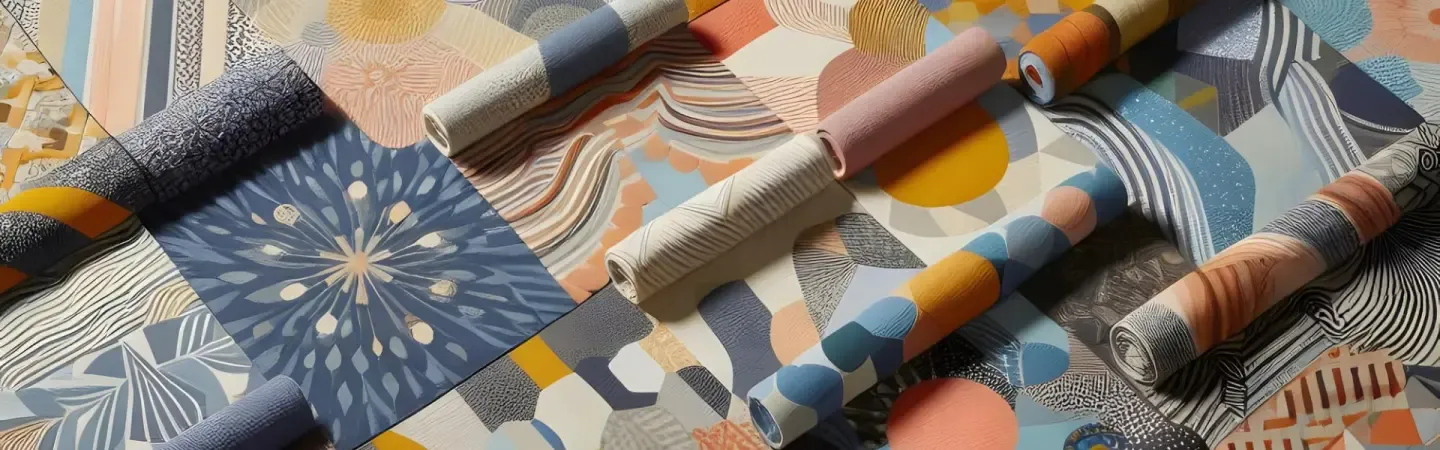
This approach can support multicolored patterns, controlled yarn combinations, and distinctive visual effects.
In contract yarn dyeing, the ability to develop custom colors depends on the yarn material, dyeing process, minimum production requirements, and manufacturer capabilities.
Importantly, yarn dyeing and solution dyeing are not interchangeable terms: solution dyeing colors the material before fiber formation, while conventional yarn dyeing colors already formed yarn.
Solution Dyed vs. Piece Dyed: Key Performance Differences
The two methods offer different advantages, particularly in projects where cleaning intensity and color customization influence material selection.
Neither method is universally superior. Performance should be evaluated against the project's cleaning conditions, design objectives, and technical requirements.
Bleach Resistance and Colorfastness in Commercial Carpets
Colorfastness is a critical consideration for flooring installed in hotels, offices, healthcare-related environments, and other commercial buildings.
Why Solution-Dyed Nylon Is Often Preferred
Because pigment is incorporated into the fiber during extrusion, solution-dyed nylon can offer strong resistance to certain forms of discoloration.
This may be particularly valuable where frequent cleaning, sunlight exposure, or occasional contact with cleaning agents is expected.
However, solution dyed nylon commercial carpet should never be assumed to withstand every bleach concentration or cleaning chemical.
Chemical compatibility must be confirmed through product-specific documentation, and cleaning procedures should follow the manufacturer's instructions.
Understanding Colorfastness Testing
Architects may request test results addressing resistance to light, rubbing, washing, or other relevant exposure conditions.
Standards such as ISO 105-B02 for artificial-light colorfastness and ISO 105-X12 for rubbing colorfastness can support technical evaluation where applicable.
A strong result in one test does not establish resistance to every form of discoloration.
Custom Color Matching and Design Flexibility
Color development is especially important when carpets must complement architectural finishes, brand guidelines, or complex interior patterns.
Matching Colors Across Commercial Projects
Yarn-dyed and piece-dyed systems can offer useful opportunities for custom color development, depending on manufacturing capabilities.
Solution-dyed constructions can also support custom colors, although pigment formulation and production minimums may influence feasibility.
For multicolored flooring, designers should evaluate whether the selected production method can reproduce the required pattern definition, tonal transitions, and visual consistency.
Contempo Carpets' carpet design collection provides a reference point for exploring design possibilities. Access to the full collection requires a member account.
Selecting the Right Dyeing Method for Commercial Applications
A suitable dyeing strategy should reflect both the intended environment and the required visual outcome.
Matching Color Technology to Project Requirements
High-traffic corporate interiors may prioritize appearance retention and compatibility with routine cleaning.
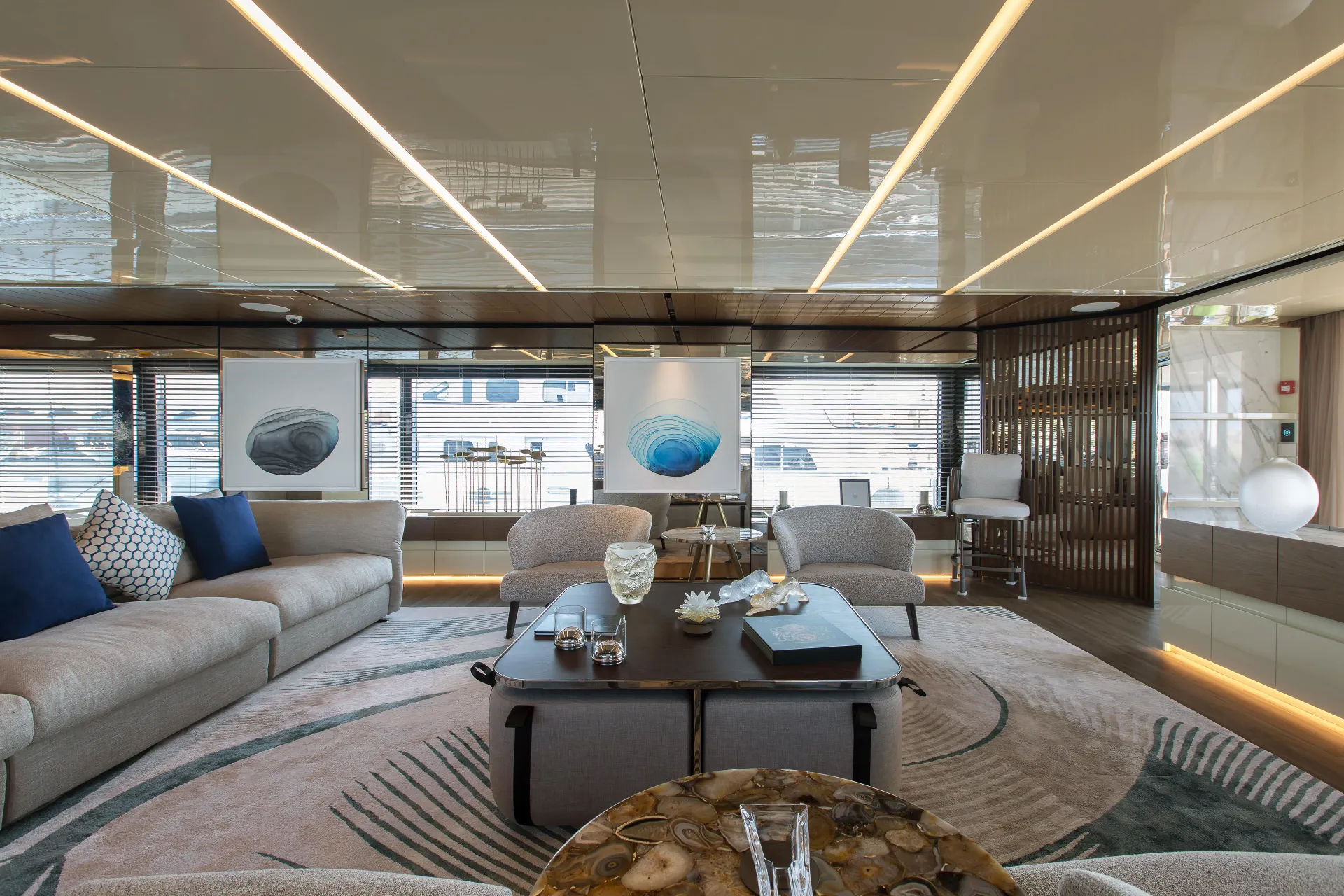
High - End hospitality developments may place additional emphasis on complex patterns, refined color palettes, and consistent reproduction across large installation areas.
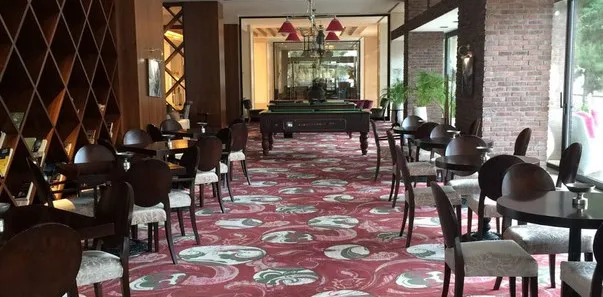
Entertainment venues may require particularly vibrant or detailed designs.
Contempo Carpets' entertainment carpet solutions describe the company's Chromo-wool printing yarns, developed for detailed color reproduction in wool-blend carpet applications. This is a separate printing approach and should not be confused with solution dyeing.
Before approving production, designers should obtain physical swatches and verify colors under the project's intended lighting conditions.
Working With Contempo Carpets on Custom Carpet Manufacturing
Contempo Carpets has operated in Turkey since 1982, initially focusing on woolen yarn production before expanding into carpet manufacturing.
This background makes fiber selection, color development, and construction requirements relevant topics when discussing custom flooring projects.
Architects can learn more about the company's manufacturing history through its About Us page and review broader technical requirements in the commercial carpet specifications guide.
For project-specific color matching, the selected manufacturing process and available yarn options should be confirmed directly with the team.
Choosing Color Technology With Confidence
Solution dyeing, piece dyeing, and conventional yarn dyeing offer different combinations of color performance and manufacturing flexibility.
Understanding these distinctions helps architects avoid treating all colored carpet fibers as technically equivalent.
The most appropriate method depends on the required color palette, cleaning environment, fiber construction, and documented performance.
Developing a custom commercial carpet project? Contact Contempo Carpets to discuss color matching requirements and request available yarn or carpet swatches for evaluation.