Sourcing Custom Commercial Carpet from Turkey: Logistics and Quality Advantages
International procurement teams face increasing pressure to secure flooring materials that meet architectural specifications, project schedules, and commercial budgets. For large-scale hotels, corporate headquarters, entertainment venues, and mixed-use developments, selecting the right manufacturing partner is a critical part of successful project delivery.
Turkey has an established textile and carpet manufacturing industry, making it a relevant sourcing destination for buyers evaluating custom flooring suppliers.
Working with a qualified commercial carpet manufacturer in Turkey can provide opportunities to coordinate bespoke designs, manufacturing requirements, and international delivery within a structured procurement process.
For developers and procurement managers, the key is understanding how to evaluate manufacturing capabilities, quality assurance, logistics, and total project costs.
Why Source Commercial Carpets from Turkey?
Turkey's textile manufacturing heritage and geographic position contribute to its role in international carpet supply chains.
Manufacturing Expertise and Customization
Commercial flooring projects frequently require specifications that differ from standard retail carpet collections.
These requirements may include custom patterns, project-specific color palettes, selected pile constructions, backing systems, and performance characteristics appropriate to the intended application.
A qualified Turkish commercial carpet factory should be able to explain its available manufacturing methods, customization limitations, sampling procedures, and quality control processes.
Buyers should assess these capabilities through technical documentation and approved physical samples rather than relying exclusively on general claims about manufacturing expertise.
Geographic Position and International Logistics
Turkey's location between European, Asian, and Middle Eastern markets can offer logistical options for international commercial projects.
Shipping Routes and Delivery Planning
Depending on the destination and shipment requirements, carpet orders may be transported by road, sea, or multimodal freight services.
For European projects, road freight may offer practical routing options. For overseas developments, containerized maritime transport may be appropriate.
However, shipping efficiency depends on the final destination, cargo volume, customs procedures, carrier availability, and project schedule.
Procurement teams should compare complete delivery proposals rather than assuming that geographic proximity automatically guarantees faster transportation.
Managing Export Documentation
International carpet shipments may require commercial invoices, packing lists, origin documentation, and destination-specific customs paperwork.
Buyers should also establish the applicable Incoterms rule, responsibility for freight insurance, and procedures for handling shipment discrepancies.
Clear documentation helps reduce avoidable delays during cross-border procurement.
Quality Assurance in Custom Carpet Manufacturing
Consistent quality is essential when commercial carpets are produced for large developments or phased construction projects.
From Sample Approval to Production
A structured procurement process should establish measurable acceptance criteria before manufacturing begins.
Important checkpoints include:
-
Approved color references and production samples.
-
Fiber composition, pile height, and construction specifications.
-
Backing compatibility and dimensional stability.
-
Applicable fire, acoustic, and durability requirements.
-
Roll identification, packaging, and shipment inspection.
These controls help buyers identify inconsistencies before materials arrive on site.
Contempo Carpets' commercial carpet specifications guide explains how detailed technical requirements can protect design intent and reduce the risk of unsuitable substitutions.
Evaluating the Total Cost of Custom Flooring Export
Unit price is only one component of international flooring procurement.
Looking Beyond the Factory Quotation
The total landed cost may include manufacturing, sampling, packaging, freight, insurance, customs charges, applicable duties, inland transportation, and installation-related expenses.
Custom manufacturing may also influence material efficiency. Coordinating carpet dimensions with floor plans can help limit unnecessary cutting and seam waste.
Contempo Carpets explores this relationship in its guide to reducing installation seam waste through custom manufacturing.
Procurement teams should compare suppliers using consistent delivery terms and equivalent technical specifications. A lower initial quotation may not represent the most economical option if it introduces additional installation waste, replacement risk, or logistical complexity.
Managing International Projects and Supply Chain Risks
Successful custom flooring export requires coordination between manufacturing schedules and construction milestones.
Establishing a Reliable Procurement Timeline
Project managers should account for design development, sample approval, production, quality inspections, shipping, customs clearance, and installation.
Allowing adequate time for each stage reduces the likelihood of rushed decisions or expensive last-minute substitutions.
For developments involving multiple buildings or phased openings, buyers should also discuss production consistency, replacement material availability, and procedures for future orders.
Clear communication between the manufacturer, freight provider, and installation contractor is particularly important when shipments must arrive within restricted construction windows.
Why Consider Contempo Carpets as a Turkish Manufacturing Partner?
Established in Turkey in 1982, Contempo Carpets began with woolen yarn production before expanding into carpet manufacturing. Its industry focus includes hospitality, entertainment, transportation, and commercial enterprises.
This background provides a relevant foundation for international buyers seeking manufacturing expertise and project-specific flooring solutions.
Procurement teams can learn more about the company's manufacturing background on the About Us page or explore its commercial enterprise carpet solutions.
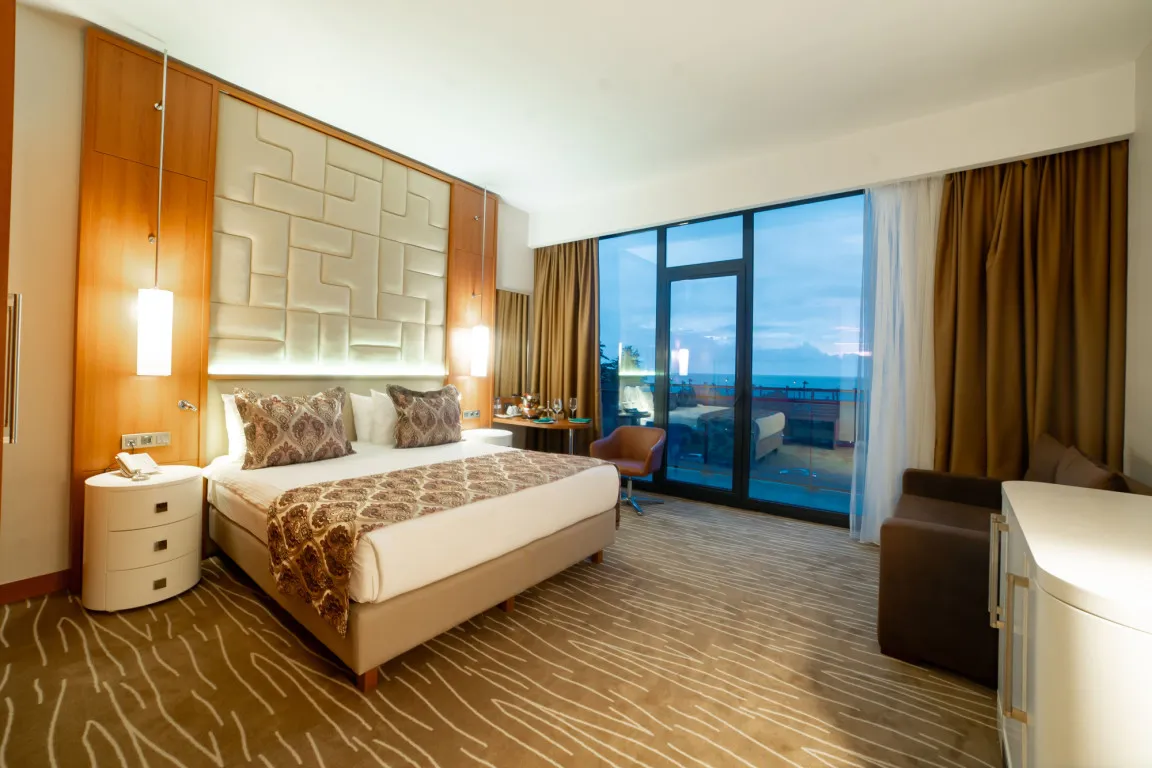
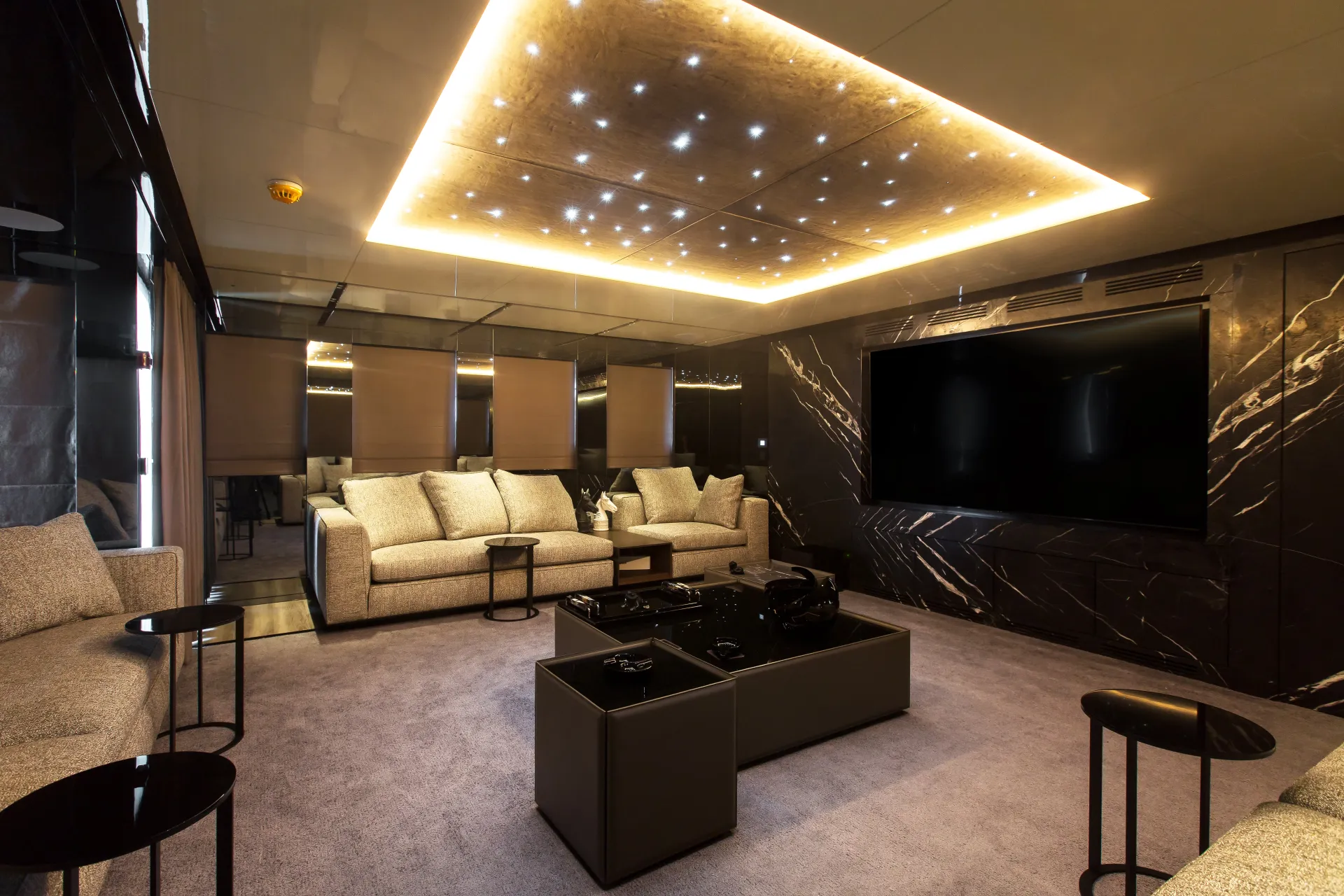
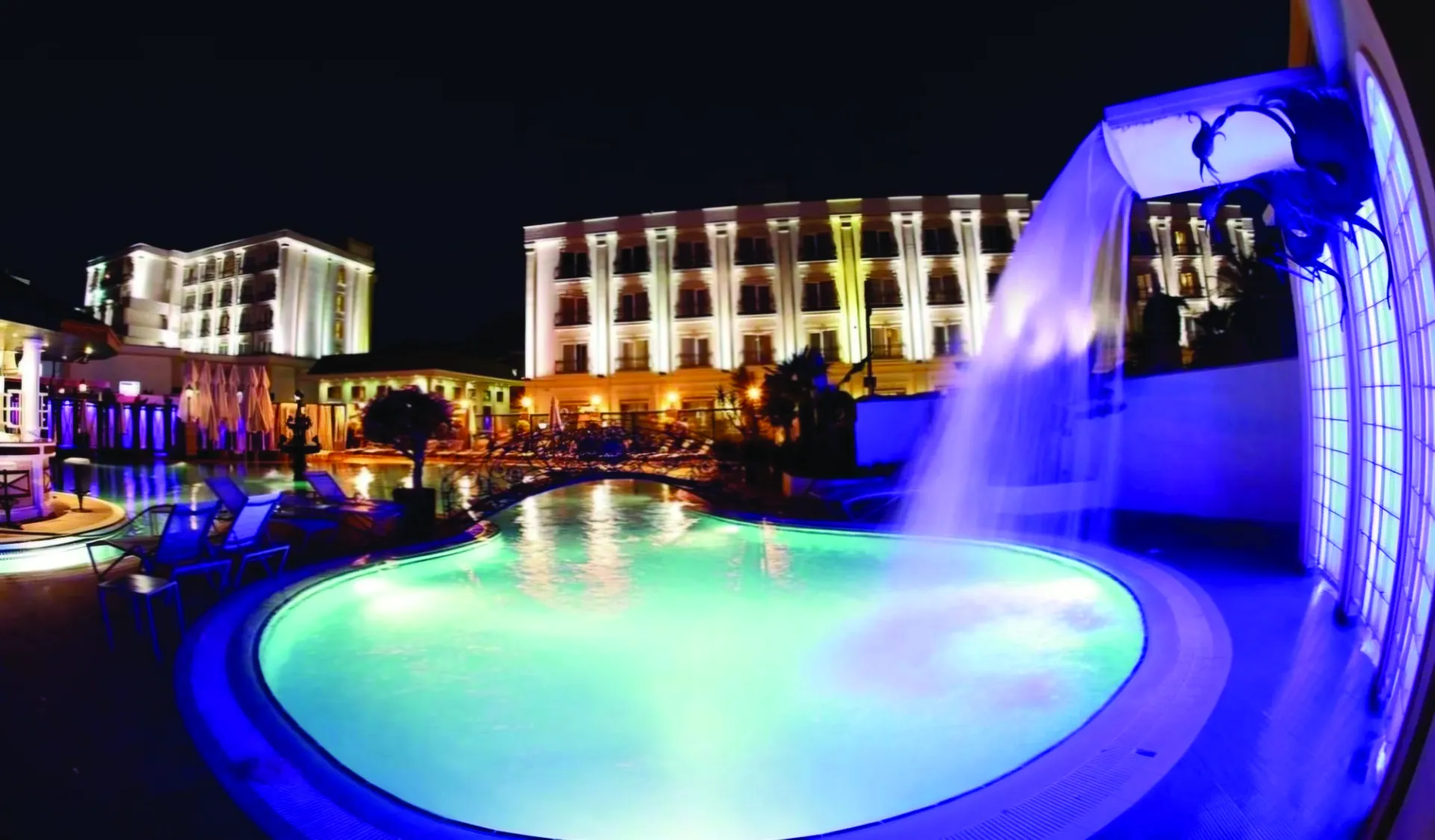
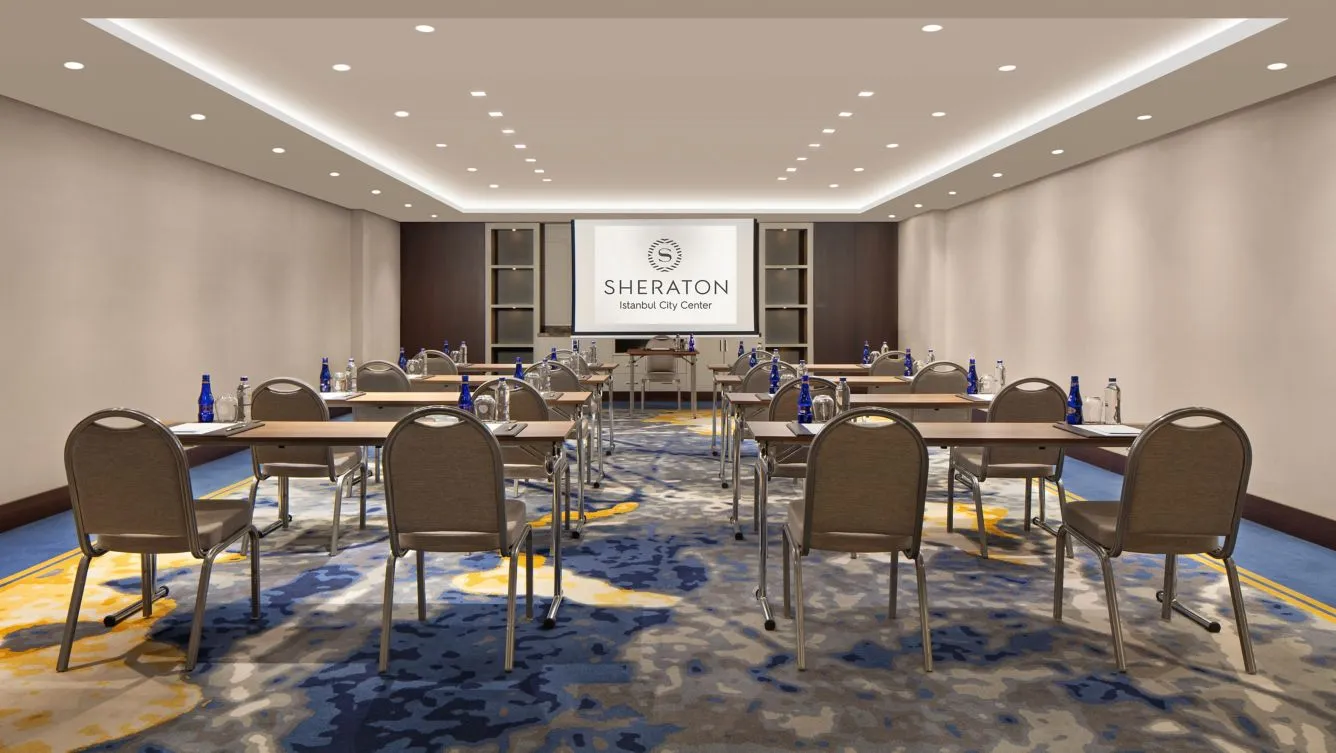
For buyers assessing previous applications, the Contempo Carpets project portfolio includes hospitality, casino, and marine projects.
Building a More Reliable Carpet Supply Chain
Sourcing commercial carpets from Turkey can offer international developers access to established manufacturing expertise, customization opportunities, and multiple freight routes.
However, the strongest procurement decisions depend on verified production capabilities, transparent cost comparisons, documented quality requirements, and realistic delivery planning.
By involving the manufacturer early, project teams can coordinate design, technical specifications, and logistics before they become construction-stage challenges.
Planning an international commercial flooring project? Contact Contempo Carpets to discuss custom manufacturing requirements, export arrangements, and project-specific quotations.