Thermal Insulation Properties of Heavy Contract Carpets in High - End Developments
High - End developments demand flooring solutions that combine architectural sophistication, underfoot comfort, and long-term operational performance. Beyond their decorative contribution, carpets influence the thermal characteristics of interior spaces, making them relevant to material selection in premium hotels, resorts, and high-end commercial properties.
For architects and contractors, specifying high - end hotel carpets requires understanding how carpet construction, pile thickness, backing systems, and installation methods affect heat transfer.
Evaluating thermal resistance alongside durability and aesthetic requirements helps project teams develop flooring specifications that support comfortable interiors without compromising building performance.
Understanding Thermal Insulation in Commercial Carpets
Carpets provide thermal resistance through their textile structure and the air retained within their fibers. This resistance can influence heat transfer between the floor surface and surrounding environment.
How Carpet Construction Influences Insulation
Pile thickness, density, fiber arrangement, and backing construction affect a carpet's thermal characteristics.
Thicker carpet systems generally offer greater thermal resistance, although actual performance depends on the complete material configuration.
Heavy contract carpets are designed for demanding commercial applications, but their traffic classification alone does not establish their insulation performance.
Architects should therefore evaluate thermal properties separately from abrasion resistance, appearance retention, and other commercial durability requirements.
What Is the R-Value of Commercial Carpet?
Thermal resistance, commonly expressed as an R-value, describes a material's resistance to heat flow.
In metric specifications, thermal resistance is measured in square meters kelvin per watt (m²·K/W).
Understanding R-Value Flooring Specifications
A higher R-value indicates greater resistance to heat transfer. For carpet installations, the combined thermal resistance of the carpet and underlay is particularly important.
As an illustrative reference, ASHRAE provides typical thermal resistance values of approximately 0.106 m²·K/W for light carpet and 0.141 m²·K/W for heavy carpet without additional padding. These are reference values, not product-specific measurements.
When preparing R value flooring specifications, architects should request verified test results for the proposed carpet system rather than relying exclusively on generic material categories.
Commercial Carpet Thermal Insulation and Energy Efficiency
The relationship between commercial carpet thermal insulation and building energy performance depends on the wider architectural and mechanical design.
Supporting Thermal Comfort in High - End Interiors
Carpeted surfaces can feel warmer underfoot than hard flooring materials because of differences in heat transfer.
This characteristic may improve perceived comfort in guest rooms, suites, executive lounges, and selected hospitality spaces.
However, improved underfoot comfort should not automatically be interpreted as measurable building-wide energy savings.
Energy performance depends on floor construction, insulation placement, climate conditions, HVAC operation, and the building envelope.
For High - End hospitality developments, Contempo Carpets' hospitality carpet solutions provide a relevant starting point for exploring flooring applications that balance comfort and architectural design.
Carpet Compatibility With Underfloor Heating Systems
Thermal insulation becomes particularly important when carpets are installed over radiant floor heating.
Balancing Insulation and Heat Transfer
Although higher thermal resistance can improve insulation, excessive resistance may restrict heat transfer from underfloor heating systems into occupied spaces.
Consequently, the ideal carpet construction depends on the intended heating strategy.
Architects should coordinate carpet and underlay specifications with mechanical engineers, considering the combined thermal resistance and heating system manufacturer's limitations.
The Contempo Carpets commercial carpet specification guide offers complementary guidance on evaluating construction, backing, and performance requirements.
Specifying Heavy Contract Carpets for High - End Developments
High - End properties frequently require flooring that provides comfort while maintaining its appearance under substantial pedestrian traffic.
Essential Technical Documentation
Before approving materials, project teams should request:
-
Tested thermal resistance values for the proposed carpet system.
-
Pile height, density, and fiber composition.
-
Backing and underlay specifications.
-
Compatibility with underfloor heating, where applicable.
-
Relevant fire performance and durability documentation.
-
Recommended installation and maintenance procedures.
Thermal testing may reference established methods such as ISO 8302 or EN 12667, where appropriate to the material and test configuration.
For additional technical considerations, Contempo Carpets' commercial enterprise flooring solutions address the importance of selecting constructions suitable for demanding architectural environments.
Integrating Thermal Performance With High - End Design
Thermal performance should complement, rather than dictate, architectural design decisions.
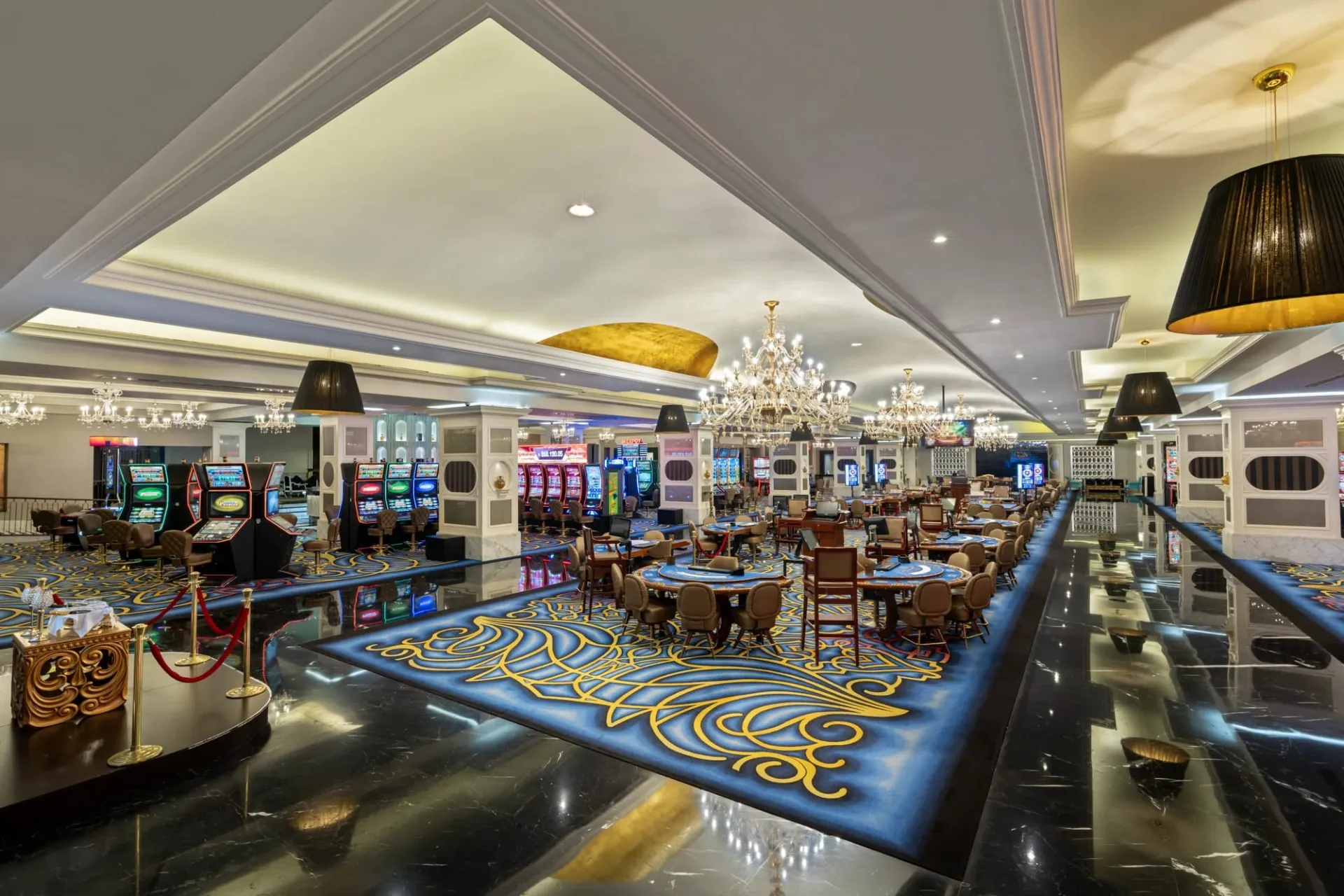
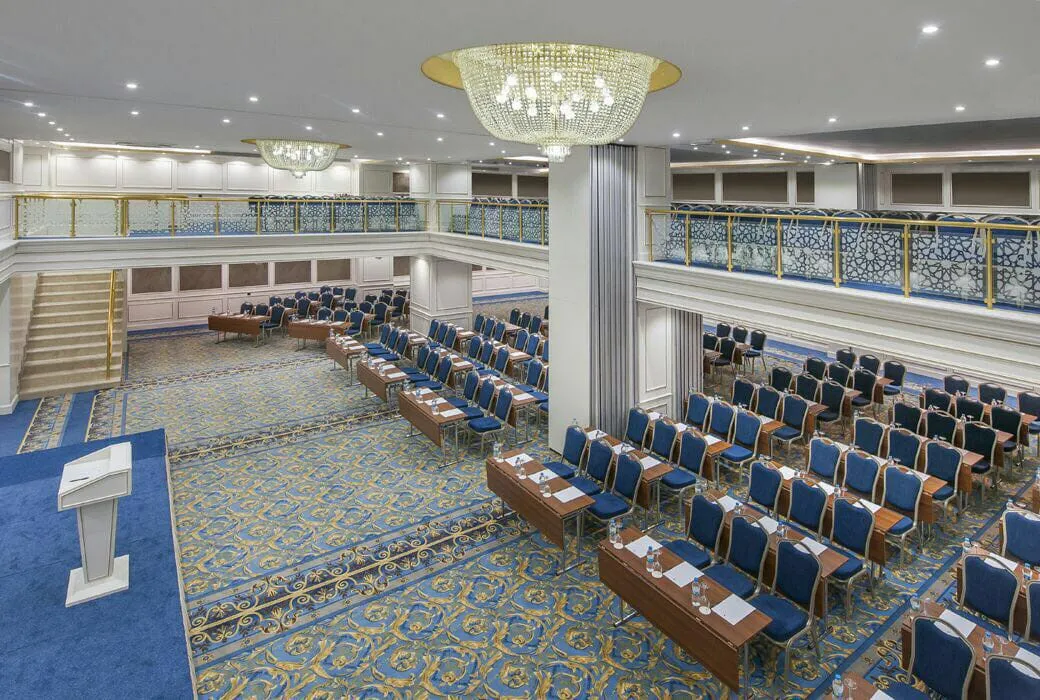
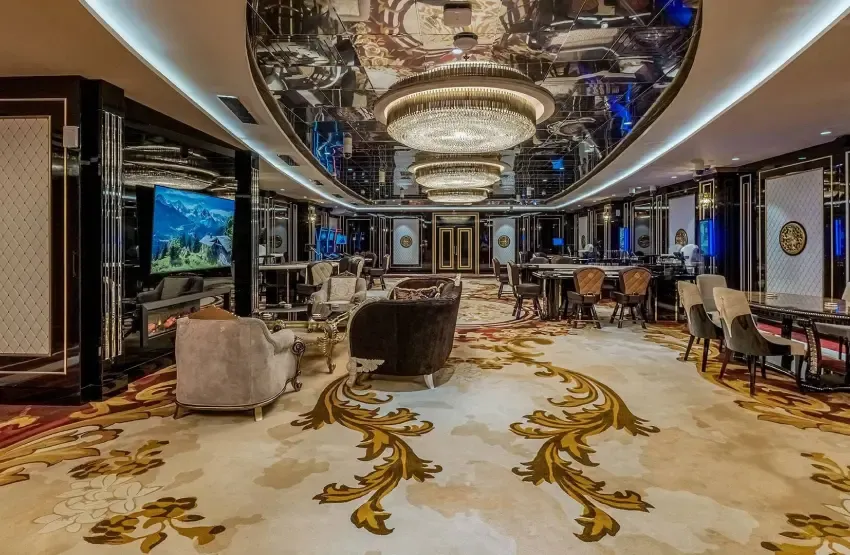
Premium hospitality projects may combine textured carpets, coordinated patterns, and custom color palettes to establish distinctive interiors.
Design teams can review Contempo Carpets' hospitality and commercial project portfolio to explore flooring applications across high - end developments.
Early manufacturer collaboration helps align aesthetic objectives with available construction methods and measurable performance criteria.
Combining Thermal Comfort With Technical Performance
The thermal characteristics of heavy contract carpets represent an important consideration in high - end flooring specifications.
By evaluating verified R-values, underlay systems, installation requirements, and heating compatibility, architects can make informed material decisions that balance comfort, durability, and operational efficiency.
Planning a high - end hospitality development? Contact Contempo Carpets to discuss available technical specifications and request thermal performance documentation for suitable carpet constructions.