Woven Axminster vs. Tufted Carpets for Commercial Hospitality Use
Selecting the appropriate carpet construction is a critical decision in hospitality interior design. Hotels, resorts, conference centers, and other commercial venues require flooring solutions that balance visual sophistication, operational durability, maintenance efficiency, and project budgets.
Among the available manufacturing methods, woven Axminster and tufted carpets represent two established approaches to hospitality flooring. Each offers distinct characteristics that influence design flexibility, production requirements, installation planning, and long-term performance.
For interior designers and procurement managers, understanding the differences between these constructions helps establish specifications that align with architectural objectives and operational expectations.
Understanding Woven Axminster Carpet Construction
Axminster carpets are manufactured through a weaving process that integrates pile yarns into the carpet structure, creating patterned textile floor coverings suitable for demanding commercial environments.
Construction and Design Characteristics
Woven Axminster carpets are particularly valued for their ability to incorporate intricate patterns, multiple colors, and detailed design compositions.
The weaving process enables controlled placement of individual pile yarns, supporting distinctive decorative effects and consistent pattern reproduction.
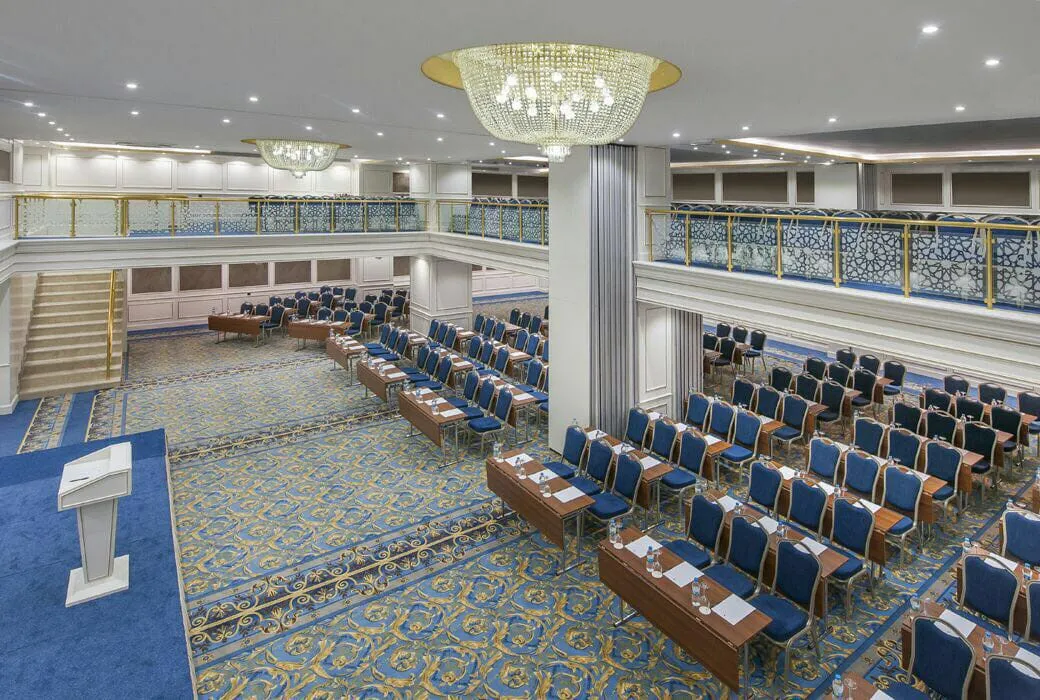
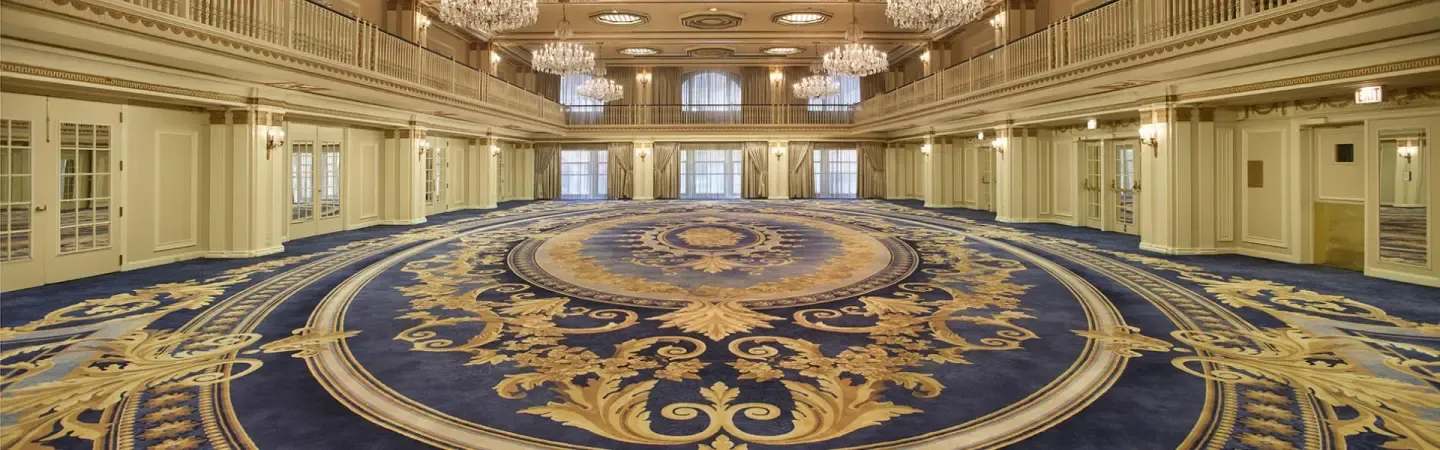
Common applications include high - end hotel corridors, ballrooms, conference facilities, and hospitality environments requiring sophisticated visual identities.
When appropriately specified, woven construction can provide excellent appearance retention and structural stability under intensive pedestrian traffic.
Understanding Tufted Carpet Manufacturing
Tufted carpets are produced by inserting yarn into a primary backing material using specialized tufting equipment. The resulting construction is subsequently stabilized through suitable backing processes.
Production Efficiency and Design Flexibility
Tufting supports a wide range of pile heights, surface textures, and carpet constructions, including cut-pile, loop-pile, and combined configurations.
Depending on manufacturing technology, tufted carpets can also incorporate patterns and decorative effects.
Their production efficiency may offer advantages for projects requiring substantial flooring quantities within defined procurement budgets.
However, product performance depends on fiber composition, pile density, backing systems, and manufacturing quality rather than construction method alone.
Axminster vs. Tufted Hotel Carpet: Key Differences
An effective Axminster vs. tufted hotel carpet comparison should evaluate both technical performance and commercial requirements.
Durability and Appearance Retention
Woven Axminster carpets are frequently specified for demanding hospitality applications because of their integrated construction and established suitability for patterned commercial flooring.
High-quality tufted carpets can also deliver reliable durability when engineered for appropriate traffic classifications.
Procurement teams should compare documented wear performance, pile characteristics, dimensional stability, and maintenance requirements rather than assuming that one manufacturing method is universally superior.
Design Complexity and Customization
Axminster construction is particularly suitable for elaborate, multicolored patterns that require precise yarn placement.
Tufted constructions provide extensive flexibility in surface texture and pile configuration, with pattern capabilities varying according to production equipment.
Designers should assess physical samples, pattern scale, color consistency, and installation layouts before confirming the preferred construction.
Comparing Cost, Production, and Lifecycle Value
Initial material pricing is an important consideration, but it should not determine flooring selection independently.
Procurement Budget and Manufacturing Considerations
Tufted carpets may offer lower manufacturing costs for certain large-volume applications, particularly when standard constructions and efficient production processes are suitable.
Woven Axminster carpets may involve higher initial investment because of their manufacturing complexity and design requirements.
Nevertheless, actual pricing depends on yarn composition, construction specifications, order quantities, customization, and production arrangements.
For a comprehensive contract flooring comparison, procurement managers should assess total installed costs, expected service life, maintenance requirements, and replacement frequency.
Selecting Carpets for Different Hospitality Areas
Hotels contain diverse operational environments, and flooring specifications should reflect the demands of each space.
High-Traffic and Premium Interior Applications
Woven Axminster carpets may be particularly appropriate for formal ballrooms, high - end corridors, and prominent hospitality spaces where complex patterns and long-term visual consistency are priorities.
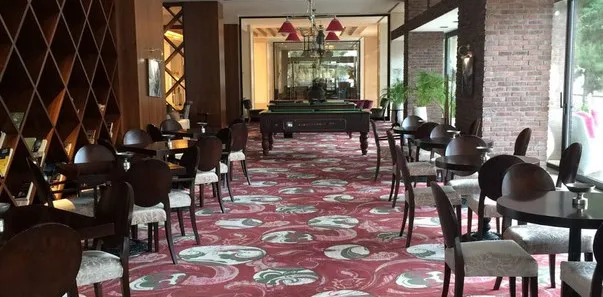
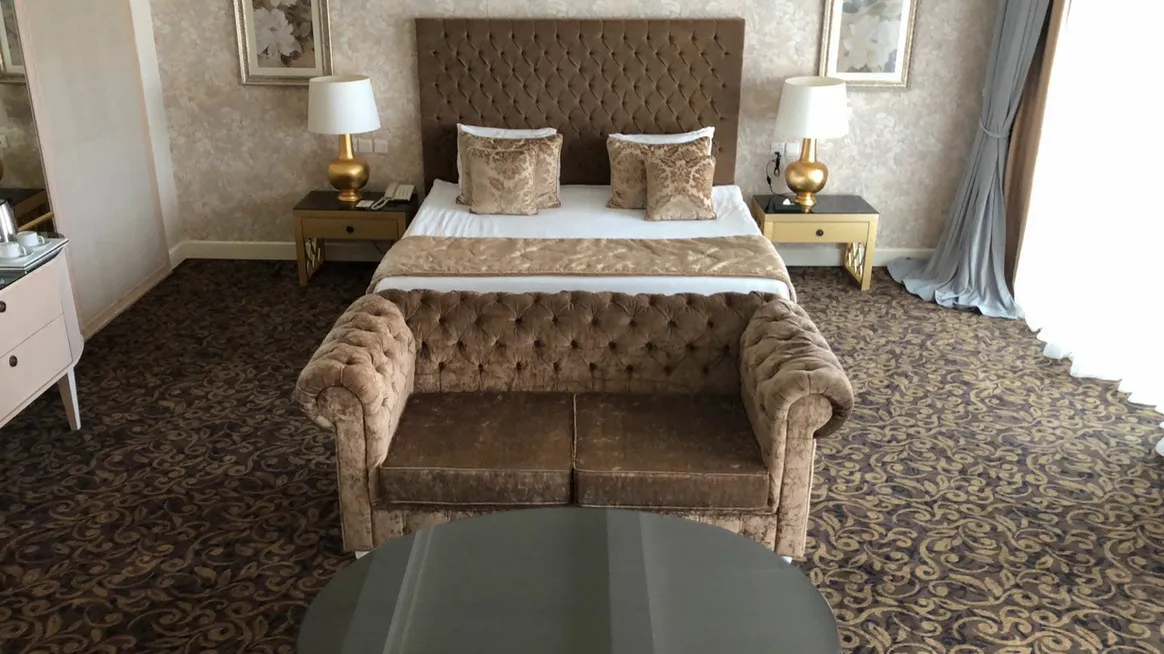
Tufted carpets may be suitable for guest rooms, meeting facilities, and selected public areas where surface comfort, design flexibility, and procurement efficiency are important.
These applications are not exclusive. The final specification should be based on verified product performance and project requirements.
Designers can explore Contempo Carpets' hospitality carpet solutions to understand flooring considerations across hotel environments.
Working With a Specialized Hospitality Carpet Manufacturer
Successful commercial flooring projects depend on collaboration between architects, procurement teams, and experienced manufacturers.
Contempo Carpets provides specialized carpeting solutions for hospitality and commercial environments, with an emphasis on design customization and manufacturing expertise.
Its carpet design collection offers inspiration for coordinated hospitality interiors.
For further guidance on selecting custom flooring, the company's custom hotel carpet design guide provides additional context for developing project-specific carpet concepts.
Choosing the Right Hospitality Flooring Solution
Both woven Axminster and tufted carpets offer valuable characteristics for commercial hospitality applications.
Axminster construction is particularly associated with intricate woven patterns and demanding decorative installations, while tufted carpets provide versatile construction options and potential production efficiencies.
By comparing technical specifications, design requirements, project budgets, and lifecycle considerations, procurement managers can identify flooring solutions appropriate for their properties.
Planning a hospitality flooring project? Contact Contempo Carpets to discuss available Axminster constructions, custom design requirements, and project-specific technical specifications.